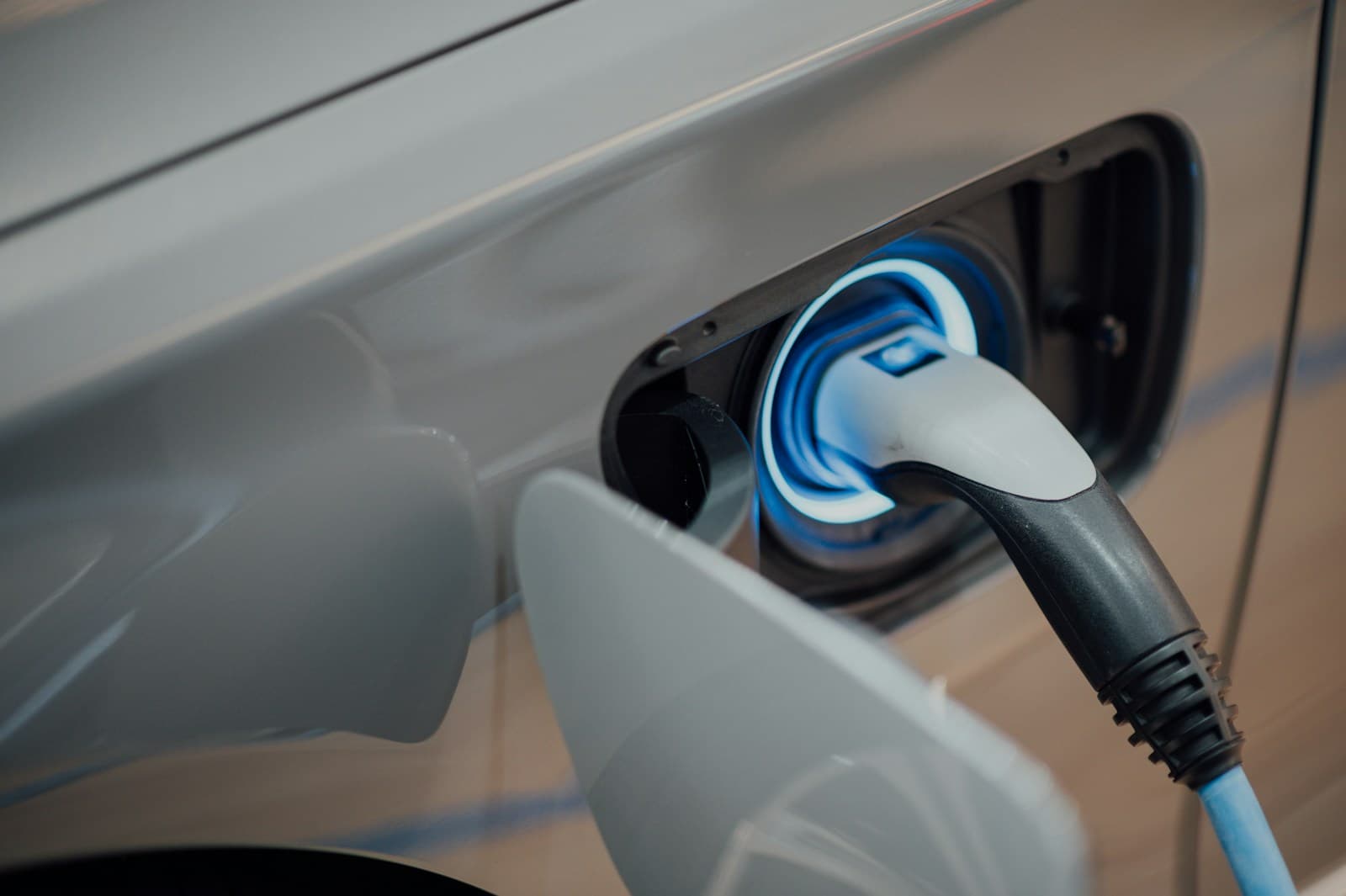
One drivetrain, different jobs
An electric traction motor converts electrical energy into mechanical movement. It has a stationary stator and a rotating rotor. The battery and motor do different jobs, so a claim about one does not automatically describe the other. When reading a vehicle specification, separate the energy store, drive unit and complete vehicle.
The design changes the questions
The US Department of Energy describes permanent-magnet, induction and switched-reluctance traction motors. Permanent-magnet designs can offer high efficiency and power density; some use rare-earth materials. Other designs change the balance of materials, control requirements and performance. The useful comparison is how a particular motor performs in its intended application, not which label sounds greenest.
What would a fairer motor look like?
Our editorial checklist asks for documented material origins, suitable efficiency, a realistic service life and a repair route when something fails. Ask whether a manufacturer publishes evidence for the complete drive unit or only a laboratory result for one component. A precise statement with clear limits is more useful than an unexplained sustainability badge.
Follow the motor into everyday life
A motor is part of a larger choice involving vehicle weight, battery size, journey length and access. The same drive technology can serve a small shared vehicle or a much larger private one. Consider the task first. Then ask whether the hardware is appropriately sized and whether local technicians can support it over time.
An electric motor is a technology. Its fairness depends on how it is made, used and supported.Read about our editorial approach